
What We Learned at the Catering Roadshow NY: 6 Challenges Catering Businesses Are Facing Right Now
The Quickater team spent a day at the Catering Roadshow in New York. Here are the six operational challenges that came up across nearly every session.
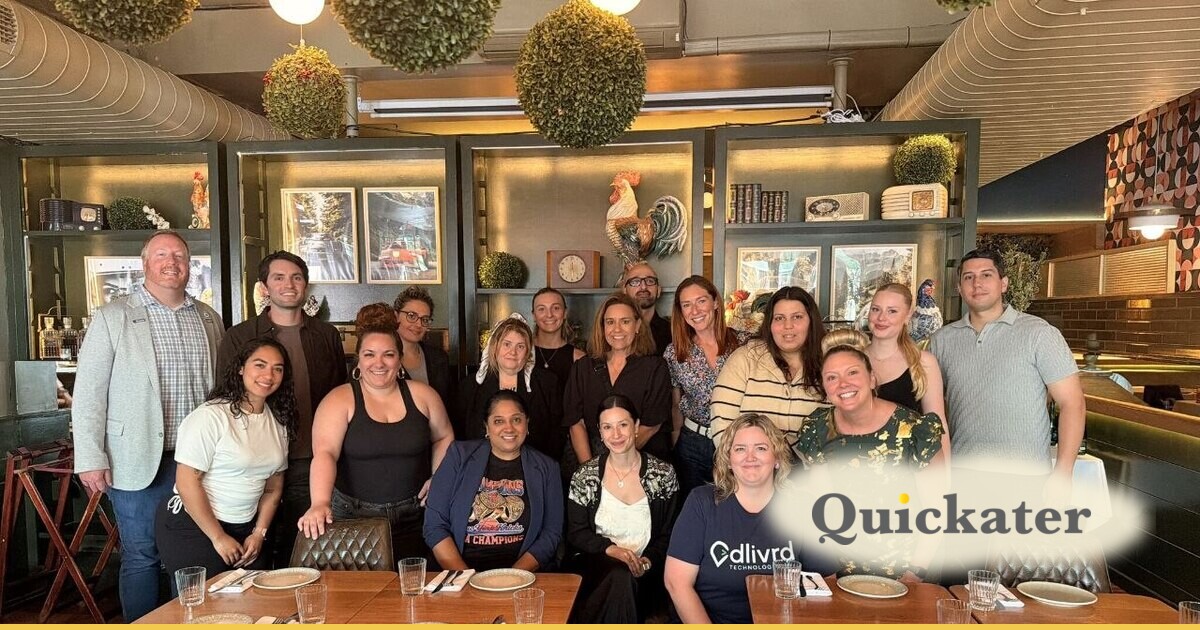
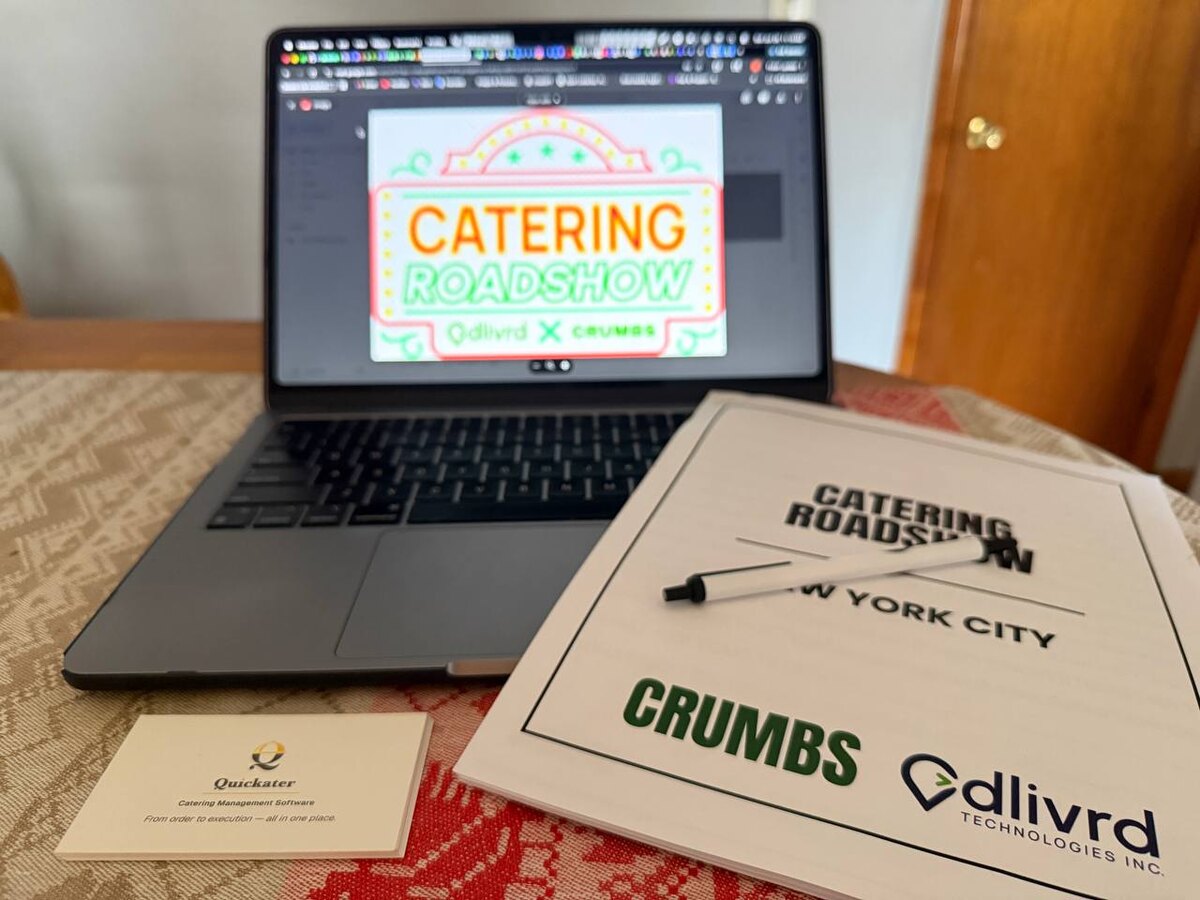
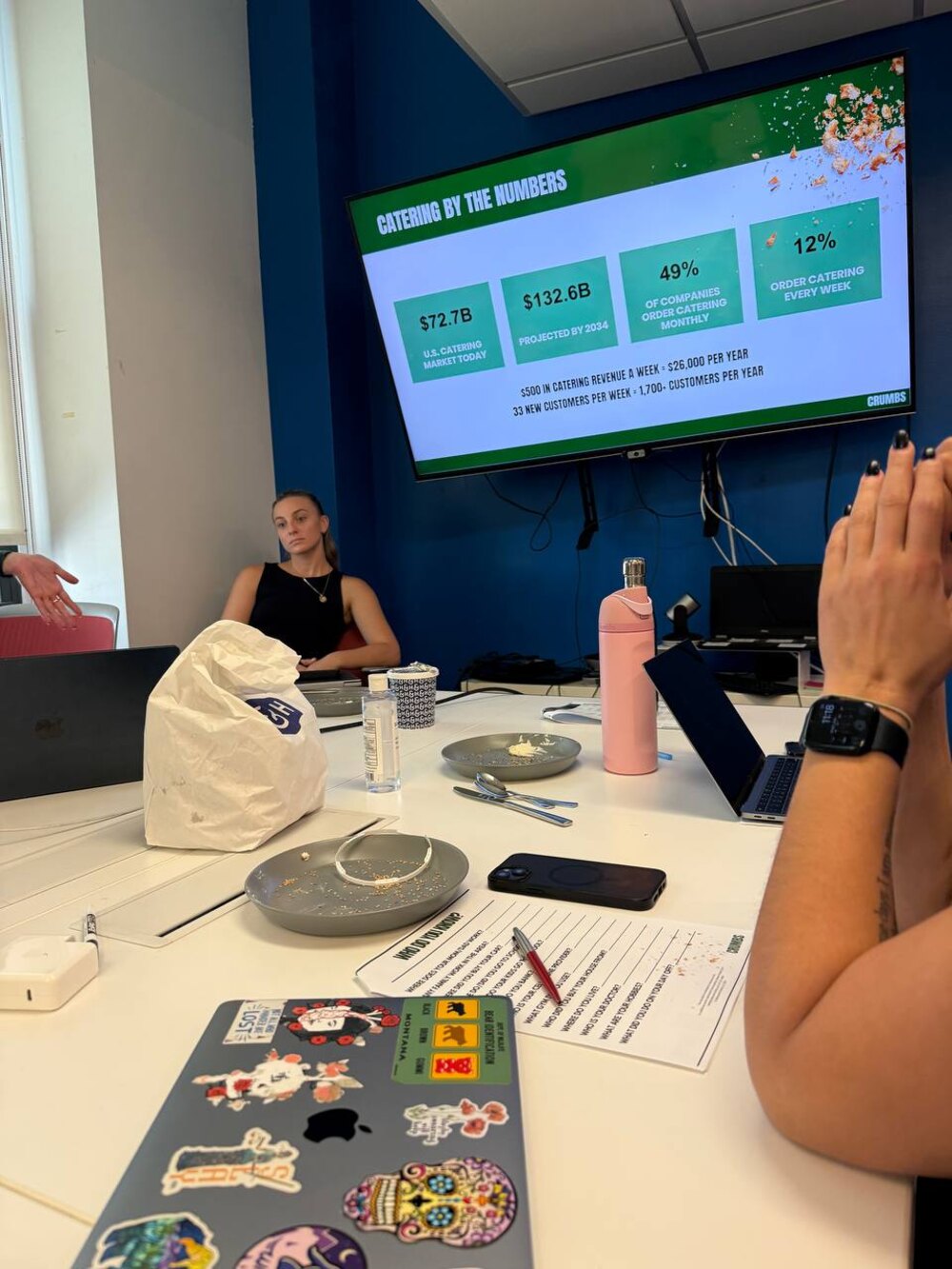
Last week, the Quickater team attended the Catering Roadshow in New York, a full day of sessions on marketplaces, CRM systems, sales tactics, delivery, and marketing, all built specifically for off-premise and catering professionals.
We came to listen. By the end of the day, several clear themes had emerged across the sessions. Here are the six challenges that stood out most.
1. Email overload is a daily grind
If there was one topic that came up over and over throughout the day, it was email.
Quotes, order confirmations, client questions, vendor coordination: it all piles into the same inbox, and catering teams lose hours every week just keeping up. Email works fine. What breaks down is handling it by hand once the volume climbs.
2. Allergen lists need to stay current
One of the more catering-specific topics discussed throughout the sessions was allergen management. Menus evolve, recipes get adjusted, and allergen information needs to evolve alongside them, whether that's maintained manually or generated automatically based on the ingredients in each dish.
It's easy to overlook, but keeping allergen information accurate as menus change is a real operational responsibility, and a growing one.
3. SMS is turning into a primary channel
Several presenters flagged the growing role of text. Rather than relying on email alone, more customers are scheduling services, and even requesting quotes, by text. For anything time-sensitive, SMS is fast becoming a channel catering businesses can't skip.
4. Automation is no longer a nice-to-have
Automation ran through nearly every session, from sending quotes and follow-up emails to managing newsletters and client communication. Nobody was arguing that catering should lose its personal touch. The target was the repetitive admin work that gets harder to manage as a business grows.
One example discussed was follow-up automation: when a client responds to a quote or email, that response should trigger the next step automatically instead of waiting for someone to notice it manually.
5. Flexibility means "fits my business," not "one-size-fits-all"
Another recurring theme was flexibility. Every catering business has its own way of operating, whether it's how orders are received, how production is organized, or how client relationships are managed.
The software that succeeds in this industry will be the software that adapts to existing workflows instead of forcing businesses to redesign their operations around the technology.
6. Operational processes are struggling to keep pace with growth
Growth was presented as both an opportunity and a challenge. As catering businesses take on more clients, more events, and more complexity, many of the back-office processes (quoting, allergen tracking, confirmations, and follow-up) begin to show their limits.
Growth is the goal. The strain shows up when the back office can't scale with it.
The bigger picture
Across the day, one theme kept forming: an industry that's growing and getting more operationally complex at the same time. Communication, automation, compliance, and flexibility aren't separate problems; they overlap. Solving one usually moves the others too.
The takeaway
No single challenge stood out. What did was the repetition. The same themes surfaced session after session, across very different corners of the industry.
That reinforced something we already believed: for most catering businesses, the hard part is rarely winning more orders. It's absorbing the complexity those orders bring.
Thanks to the Catering Roadshow team for putting together a valuable day. We left with plenty of ideas, a clearer read on where the industry is heading, and a sharper sense of the operational problems catering teams work to solve every day.